Wetlands in Winter: Photographing Waterbirds in the Coldest Months
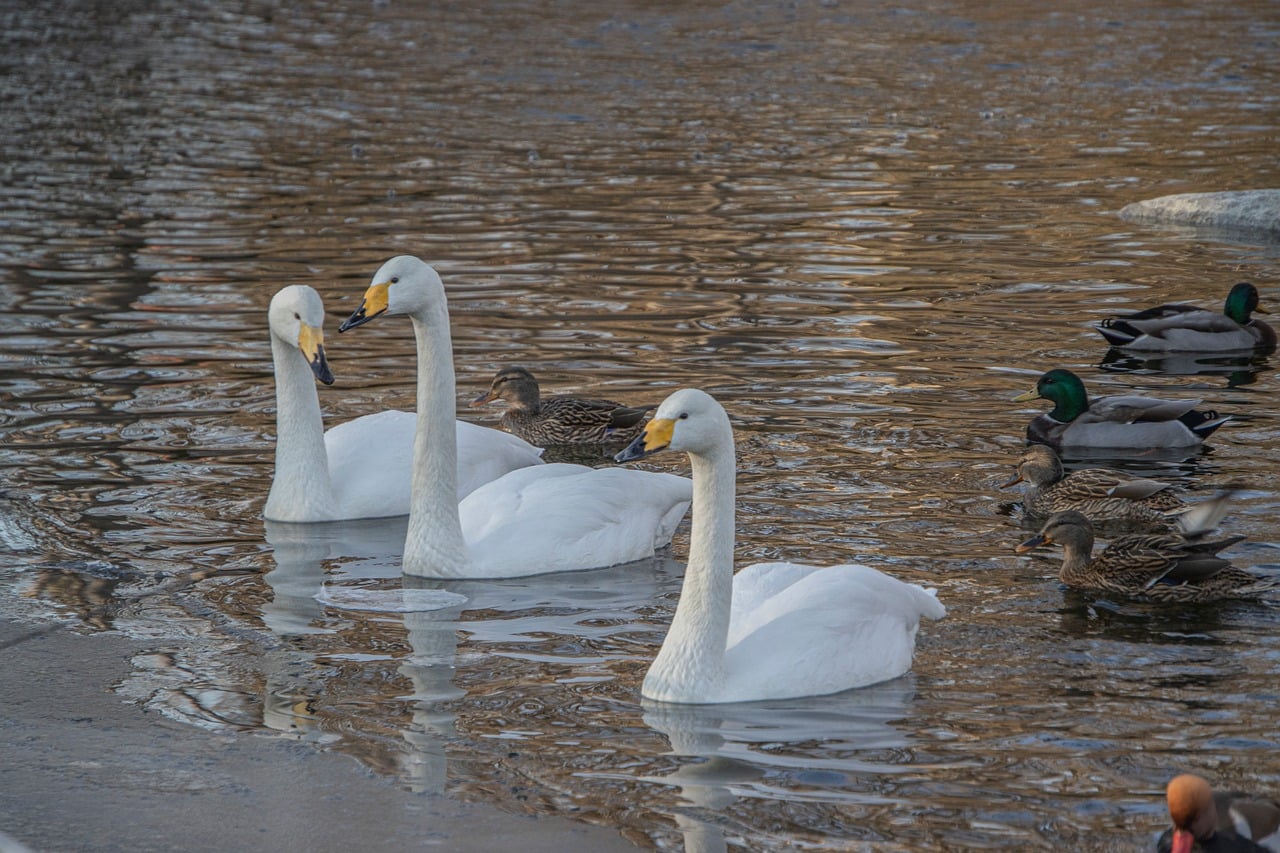
Winter can feel like the off-season for nature photography, but wetlands tell a different story. As northern waters freeze, ducks, geese, swans, waders, and grebes concentrate on the remaining open water, often in staggering numbers. For the photographer willing to dress properly and get up early, it is one of the most rewarding times of year.
The appeal is partly practical. With leaves gone, sightlines open up and birds are easier to observe. Cold air is often clearer, and low winter sun sits at a flattering angle for much of the day rather than just an hour. Frost, mist, and snow add atmosphere that summer simply cannot match, turning an ordinary reedbed into something quietly dramatic.
Finding Open Water and Working the Light
Your first task is locating open water. Rivers, estuaries, gravel pits, and reserves with aerators or moving currents stay ice-free and draw birds in. Visit at first light, when mist rises off the water and birds are actively feeding and displaying. Late afternoon brings a second window as birds return to roost, often in spectacular, noisy groups.
Exposure is the main technical challenge. Bright white swans and geese against dark water will fool your meter, so watch your histogram and protect the highlights; blown whites cannot be recovered. Conversely, dark waterfowl against pale water can tempt you to overexpose. In mist or snow, add a little exposure compensation to keep whites white rather than grey.
Composition benefits from patience. Instead of chasing birds, find a productive spot and let them come to you. Get low at the water's edge for a bird's-eye view, or shoot slightly above to include reflections. Early morning backlight turns spray and wingbeats into gold, and freezing a splash of water at a fast shutter speed is one of winter's simple pleasures.
Cold Weather Care and Conservation
Looking after yourself and your gear matters. Batteries drain fast in the cold, so carry spares in an inside pocket. Condensation forms when you bring a cold camera into a warm room, so let equipment acclimatise in a bag before opening it. Wear layers, waterproof boots, and gloves that let you operate dials; cold hands cost you shots.
Ethics deserve equal attention. Winter is a stressful time for waterbirds, which burn energy simply staying warm. Keep a respectful distance, avoid flushing flocks, and never let a dog disturb resting birds. Stay on paths and respect reserve closures, which often protect roosts. If you photograph a species that is struggling, consider sharing the location carefully or not at all.
Winter wetlands are also a conservation story worth telling. Many of these sites depend on careful management, and the birds you photograph may be in decline. Pairing strong images with accurate context, rather than exaggerated claims, helps audiences care. Cold fingers and early alarms are a small price for photographs that show a hidden season at its best.