Chasing the Golden Hour: A Beginner's Guide to Dawn and Dusk Wildlife Photography
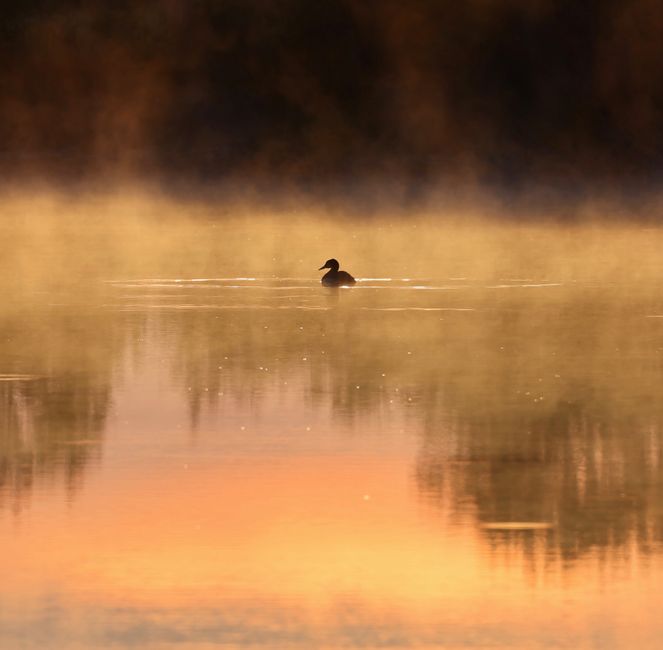
There is a reason so many iconic wildlife photographs share that warm, low-angle glow. The hour after sunrise and the hour before sunset offer light that is soft, directional, and endlessly flattering to fur, feather, and scale. For a beginner, learning to plan your outings around this window is probably the single biggest upgrade you can make to your images, and it costs nothing but an early alarm.
At midday, the sun sits high and hard. Shadows are short and harsh, highlights blow out on pale plumage, and animals themselves tend to be inactive, resting in shade or hidden in dense cover. As the sun drops toward the horizon, everything changes. Light travels through more atmosphere, scattering and softening, and it picks up that amber tone photographers chase. The same is true at dawn, with the added bonus that many species are at their most active after a long night.
Planning Your Session Around the Light
Start by checking sunrise and sunset times for your location, then work backwards. You want to be in position, camera ready, at least twenty to thirty minutes before the light peaks. That means arriving in the dark at dawn or scouting your spot the previous afternoon at dusk. Knowing where the sun will rise or set relative to your subject matters enormously: a bird backlit against mist can be magical, but the same bird lit from behind on a clear day becomes a silhouette you did not intend.
Weather adds another layer. Thin cloud can extend the golden hour by diffusing light, while heavy overcast flattens everything into grey. A clearing storm at sunset is a gift, and misty dawns near water are among the most forgiving conditions a beginner can find. Keep a simple notebook of conditions and results; over a season you will build a personal map of what works where you live.
Fieldcraft Matters More Than Gear
No lens compensates for spooking your subject. Move slowly, keep low, and use natural cover. Approach at an angle rather than directly, and pause often so animals can settle. Many photographers find that sitting still in one good spot beats roaming; wildlife often comes to you once it decides you are not a threat. Wear dull colours, avoid strong scents, and silence your phone.
Exposure-wise, golden hour light changes fast. Shoot in aperture priority or manual, watch your histogram rather than the rear screen, and be ready to raise ISO as the light fades. A monopod or beanbag helps when shutter speeds drop. Above all, resist the urge to leave the moment the sun disappears; the blue hour that follows can produce moody, painterly frames that daylight never will.
The golden hour rewards those who show up consistently. Pick one local patch, visit it at dawn and dusk through the seasons, and you will learn its rhythms better than any visiting photographer ever could.