Macro on a Budget: Discovering the Tiny World in Your Backyard
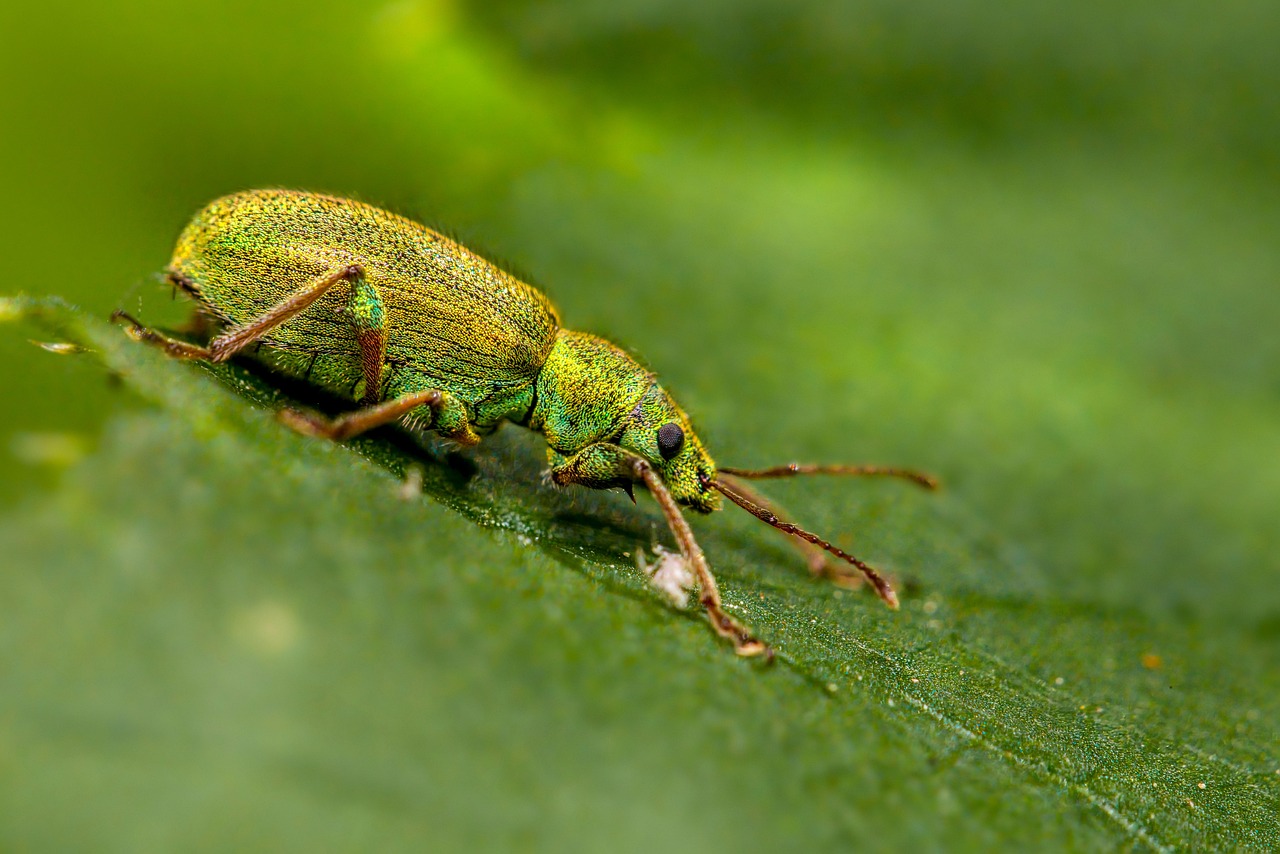
Some of the most astonishing wildlife photography happens within arm's reach of your back door. Beetles, spiders, hoverflies, lichen, and the intricate architecture of a flower are all fair game for macro work, and you do not need a dedicated macro lens to get started. A basic kit lens with extension tubes, or even a close-up filter screwed onto the front, can open up a world that most people walk past without ever noticing.
The appeal of macro is that it forces you to slow down and look properly. When your entire frame is filled by a single dewdrop clinging to a blade of grass, you start to appreciate details that are invisible at normal viewing distances. The compound eyes of a dragonfly, the pollen baskets on a bee's legs, the translucent wings of an aphid — these are subjects that reward curiosity more than expensive equipment.
Getting Sharp Focus Where It Matters
The biggest challenge in macro photography is depth of field. When you are working at very close distances, even an aperture of f/16 may give you only a millimetre or two of acceptable sharpness. This is not a flaw to fight against but a characteristic to work with. The trick is to decide which part of your subject matters most — usually the eye, if your subject has one — and make sure that is razor sharp, letting the rest fall gently out of focus.
Manual focus is often more reliable than autofocus for this kind of work. Many modern cameras hunt frustratingly when trying to lock onto a tiny subject, especially in low light or when the background is busy. Switching to manual and gently rocking your body forward and backward until the critical plane of focus lands where you want it is a technique that costs nothing and works with any camera. A tripod helps, but it is not essential; a steady hand, good light, and a bit of practice will get you surprisingly far.
Light is the other consideration. Flash can be useful for freezing movement and bringing out detail, but it can also look harsh and unnatural if used carelessly. A simple diffuser made from a plastic milk bottle or a piece of tracing paper can soften the output and make your images look far more organic. Alternatively, work in open shade or on overcast days, when the light is naturally soft and even.
Finding Subjects Without Leaving Home
You do not need to travel to a nature reserve to find macro subjects. A single mature garden can host hundreds of species of invertebrates, and a patch of long grass left unmown will attract far more than a manicured lawn. Go out early in the morning when insects are cold and sluggish, making them easier to approach and photograph. Dew-covered subjects look particularly beautiful, with droplets catching the light and adding texture to the frame.
Look in unexpected places: under leaves, inside flowers, on the bark of trees, in the cracks of a garden wall. Turn over a stone and see what scuttles away, then wait patiently for it to settle again. The miniature world is everywhere, and it is waiting for someone with the curiosity to kneel down and look. Once you start seeing it, a walk around the block will never feel the same again.