Photographing Wildlife in Rain and Mist: Making Bad Weather Work for You
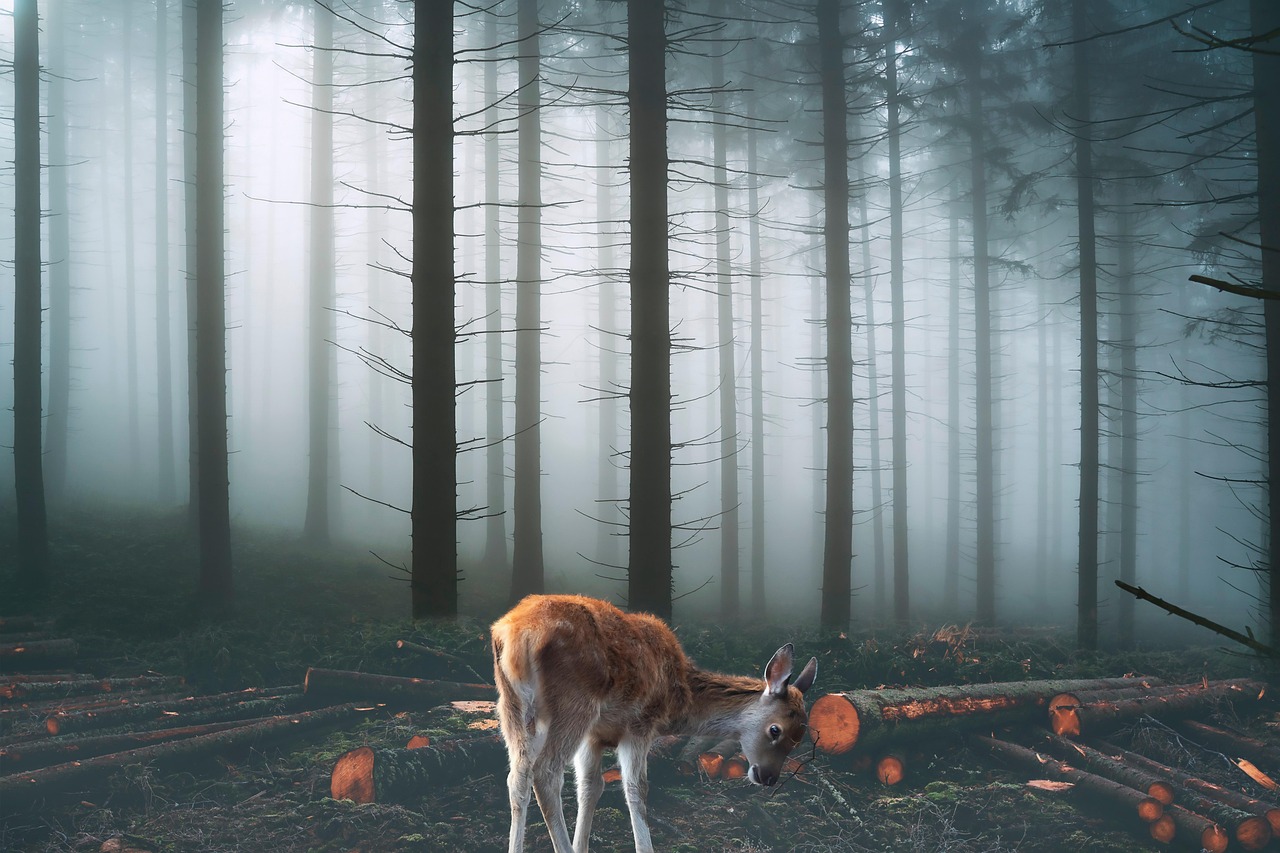
Most photographers pack up when the weather turns, which is precisely why you should not. Rain, mist, and overcast skies create conditions that are difficult to replicate in any other way. They soften the light, simplify backgrounds, and add a mood that feels genuinely wild. Some of my favourite images have been made on days when sensible people stayed indoors with a cup of tea.
The obvious challenge is keeping your gear dry and functional. A rain cover for your camera and lens is essential, and a simple plastic bag with a hole cut for the lens works in a pinch. Bring a microfibre cloth to wipe away droplets, and consider a lens hood to keep rain off the front element. If you are using a tripod, dry the legs before collapsing them, and give everything a thorough wipe-down when you get home. Modern cameras are more weather-resistant than they used to be, but none of them enjoy a soaking.
Why Overcast Light Is a Gift
Harsh sunlight creates problems for wildlife photographers. It casts deep shadows, blows out highlights on pale plumage, and creates high-contrast scenes that are difficult to expose correctly. Overcast light eliminates all of that. It wraps around your subject, revealing detail in feathers and fur that would otherwise be lost, and it allows you to shoot at any time of day rather than being confined to the golden hours.
Mist takes this a step further. It simplifies the background by hiding clutter, creating a soft gradient that makes your subject stand out. A deer standing in mist becomes a silhouette; a heron in fog becomes a ghost. The effect is powerful, and it works best when you expose for the subject and let the background fade to near-white or soft grey. Underexposing slightly can help preserve detail in the mist itself, and a little contrast in post-processing will bring the subject forward.
Rain adds another layer. It creates ripples on water, droplets on leaves, and a sheen on fur and feathers that catches the light. Fast shutter speeds freeze individual raindrops, while slower speeds turn them into streaks. Both approaches work; it depends on the mood you want. Just be aware that rain often means low light, so you may need to raise your ISO more than usual. Modern sensors handle this well, and a little noise is a small price for an image with atmosphere.
Staying Comfortable and Staying Safe
Bad weather photography is only enjoyable if you are properly dressed. Waterproof trousers and jacket, sturdy boots, and gloves make the difference between a pleasant session and a miserable one. Bring a flask of something hot, and do not overstay. Cold and wet conditions drain energy quickly, and a photographer who is shivering is not a photographer who is thinking clearly.
Safety matters too. Avoid slippery rocks near water, watch for falling branches in high winds, and be aware that mist can disorient you in unfamiliar terrain. Tell someone where you are going and when you expect to be back. With the right preparation, a rainy day becomes an opportunity rather than an obstacle, and you will come home with images that stand out from the sunny-day crowd.