Reading Animal Behaviour: How Fieldcraft Skills Make You a Better Wildlife Photographer
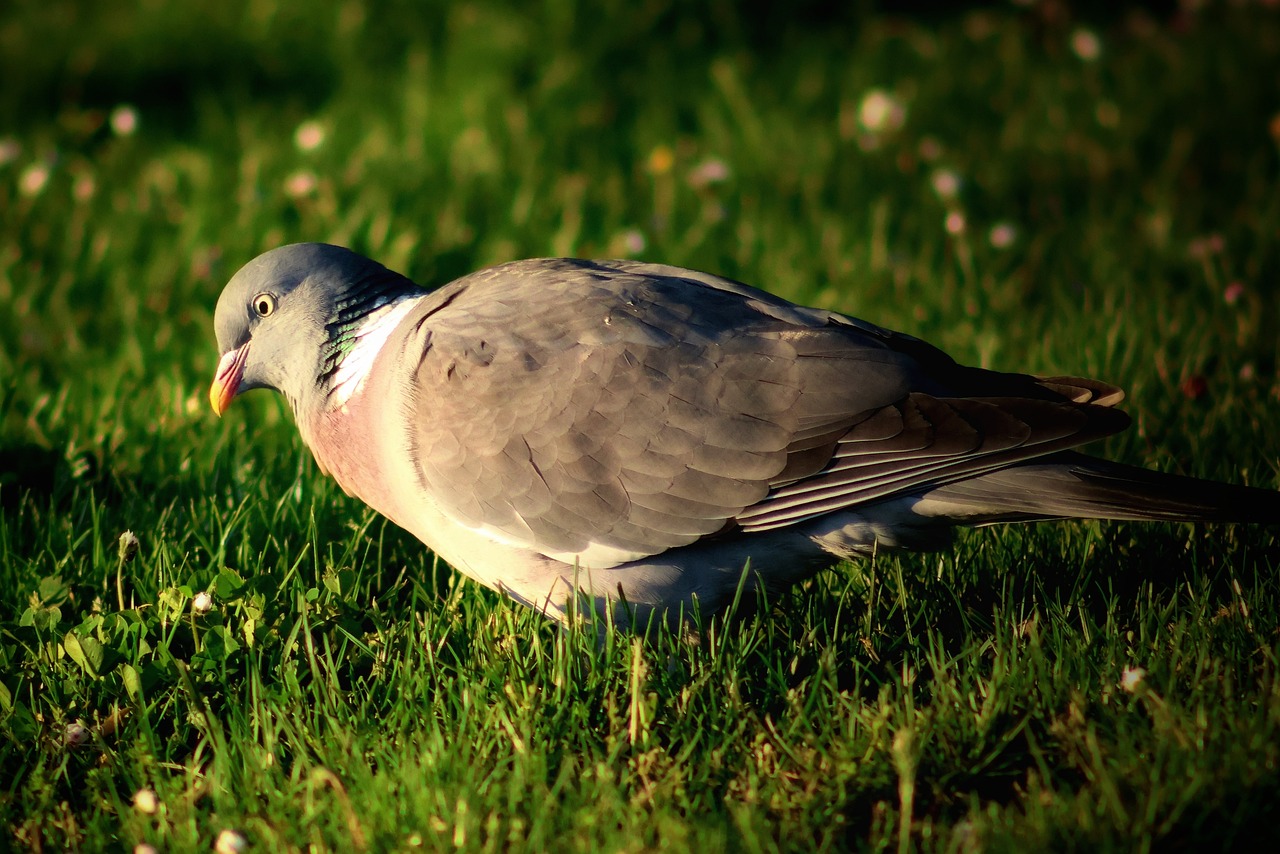
Ask experienced wildlife photographers what changed their work most, and few will say a new lens. More often they will talk about learning to read animals: knowing when a deer is about to lift its head, when a heron will strike, when a fox will pause and look back. That knowledge comes from observation, not gear, and it is available to anyone willing to slow down.
Behaviour is a language of posture, distance, and timing. An animal's body tells you whether it is relaxed, alert, or about to flee. A grazing deer with its head down and ears loose is comfortable; the moment its head comes up and its ears swivel toward you, the game has changed. Learning these cues lets you press the shutter at the decisive moment rather than after it, and it also tells you when to back off entirely.
Distance, Pressure, and the Invisible Line
Every species has a flight distance, the point at which it decides you are too close. Push past it and you get a fleeing animal and an empty frame. Stay just outside it, however, and you can often watch natural behaviour unfold. The skill is in recognising the line and working it patiently, edging forward when the animal is occupied and freezing when it glances your way.
Approach technique matters enormously. Moving directly toward an animal reads as predatory; moving at an angle, pausing frequently, and even looking away can seem far less threatening. Getting low helps, because you appear smaller. Using cover, whether a hedge, a rock, or a dip in the ground, breaks up your outline. Wind direction matters too: if your scent is drifting toward your subject, no amount of stealth will help.
Understanding daily and seasonal rhythms is equally valuable. Many mammals are crepuscular, most active at dawn and dusk. Birds may be territorial in spring, flocking in winter, and their tolerance of people shifts with these pressures. Knowing that a species is about to breed, moult, or migrate lets you anticipate behaviour instead of merely reacting to it.
Patience as a Technique
The most underrated fieldcraft skill is simply staying put. Animals habituate to a quiet, still presence surprisingly quickly. Sit in the same spot for an hour and you may see far more than someone who walks the whole reserve. Take a hide or a camouflage sheet if it helps, but stillness and low movement often matter more than what you wear.
This slow approach also protects your subjects. Photography that respects an animal's space produces better images and does no harm, while chasing a rare sighting for a shot can stress or displace it. Ethical fieldcraft and good photographs are not in conflict; they are the same discipline.
Next time you are out, spend the first twenty minutes simply watching. Note posture, distance, and reaction. Your images will improve, and so will your time in the field.