Building a Wildlife Portfolio That Tells a Story
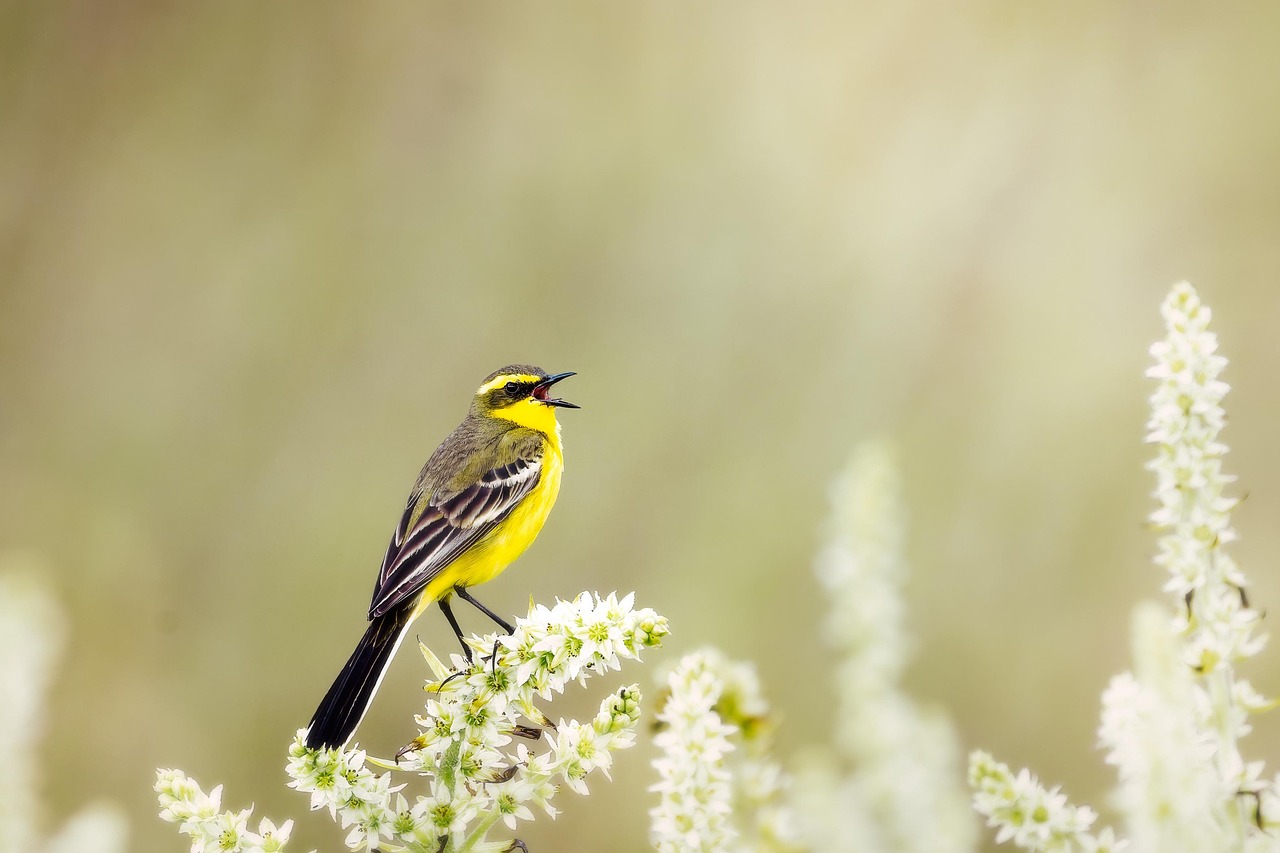
Many photographers accumulate thousands of images without ever asking what they are for. The result is a hard drive full of isolated moments: a fox here, a heron there, a butterfly on a flower. Individually they may be lovely, but together they say nothing. A portfolio, by contrast, is a deliberate selection of images that work together to communicate something — a place, a species, a season, a way of seeing.
Building one is less about taking more photographs and more about thinking carefully about what you already have. It is an editing exercise as much as a creative one, and it forces you to confront questions that casual shooting allows you to avoid. What am I actually interested in? What do I want viewers to feel? What is the thread that ties my best work together?
Finding Your Thread
The thread can be almost anything. It might be a single species followed through the year, from courtship to fledging to winter survival. It might be a particular habitat — a local woodland, a stretch of coastline, a garden pond — documented across seasons and weather. It might be a theme such as camouflage, movement, or the relationship between wildlife and human landscapes. The important thing is that the thread is genuinely yours, not borrowed from someone else's success.
Once you have a thread, the way you shoot changes. You start looking for images that fill gaps in the story rather than images that simply please you in the moment. You notice that you have plenty of portraits but no behaviour shots, or plenty of close-ups but nothing that shows the animal in its environment. This awareness pushes you to try new approaches and to return to the same places again and again, which is how deep work gets made.
Editing for a portfolio is ruthless. A good rule of thumb is to include only images that would stand up on a gallery wall, and to remove anything that merely repeats what another image already says better. Twenty strong photographs will always beat a hundred mediocre ones. Sequence matters too: think about how one image leads into the next, and how the collection opens and closes. A strong opener grabs attention; a strong closer leaves a lasting impression.
Sharing Your Work With Intention
A portfolio is not finished when the last image is chosen. It is finished when it is shared with an audience, whether that is a gallery, a magazine, a conservation organisation, or simply friends and family. Each context has its own requirements, and tailoring your selection to the audience is part of the craft. A conservation group may want images that highlight a species in decline; a calendar publisher may want seasonal variety; a personal website may want to show range and personality.
The process of building a portfolio also makes you a better photographer. It clarifies what you care about, sharpens your critical eye, and gives every future outing a sense of purpose. You stop chasing whatever happens to appear and start hunting for the images your story still needs. That shift, more than any new lens or camera body, is what moves your work forward.