Photographing Garden Birds Without a Hide: Simple Setups That Actually Work
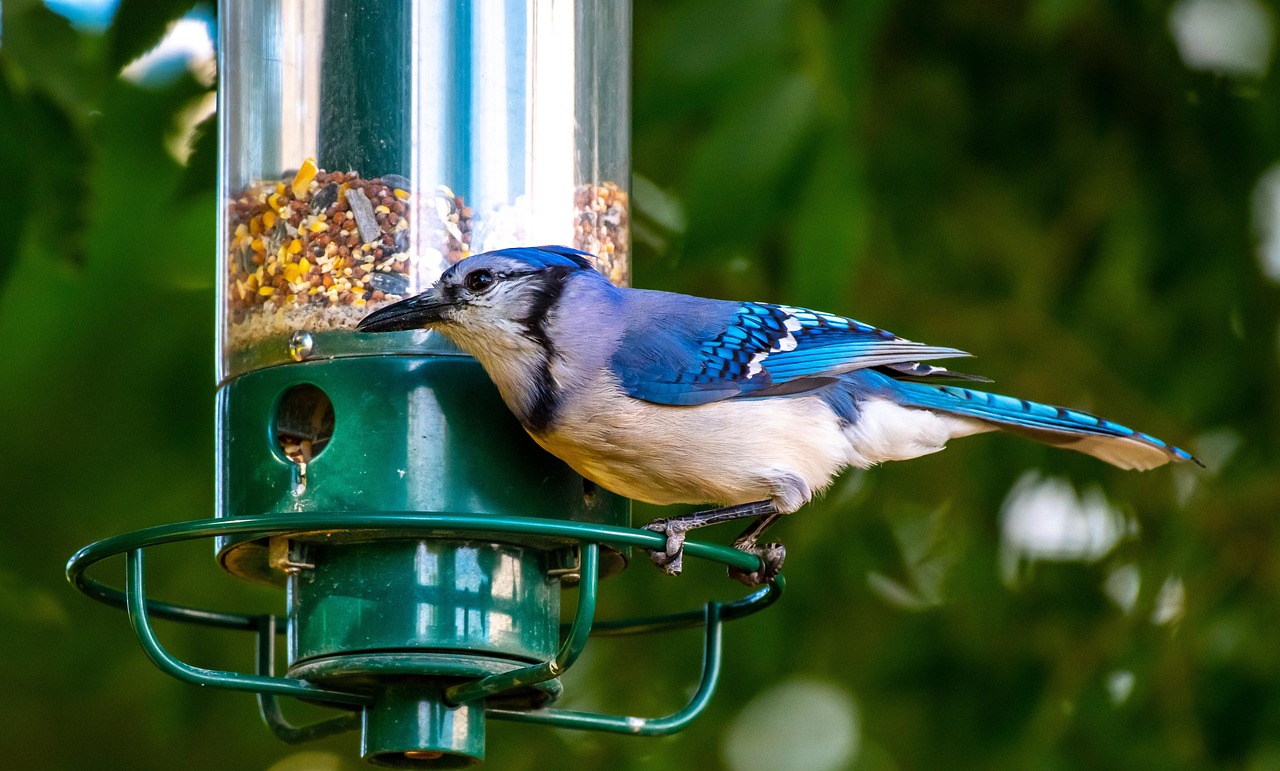
You do not need a remote woodland, a professional hide, or a monster telephoto to make beautiful bird photographs. Some of the most intimate, characterful images come from back gardens, allotments, and even balconies. The trick is to think like a set designer: control the perch, the background, and the light, and let the birds do the rest.
Begin with food and water. A reliable feeder station draws birds in and, crucially, gets them accustomed to a particular corner of your space. Once they are visiting regularly, you can start shaping where they land. A single attractive perch placed near the feeder, slightly raised and clear of clutter, gives you a predictable stage. Fresh moss on a stone, a lichen-covered branch, or a simple weathered stump all photograph far better than plastic feeders.
Designing the Background and Light
The background is where most garden bird photos succeed or fail. A tangle of fence panels, bins, and washing lines creates visual noise that competes with your subject. Instead, position yourself so the area behind the perch is distant and uncluttered: a hedge, a lawn, or open sky. Because you control the distance, you also control how blurred that background becomes. Even a modest telephoto can render a far hedge into a smooth wash of green.
Light is the other half of the equation. Side lighting reveals feather texture and gives form; backlighting can rim a bird in gold, especially against a dark hedge. Avoid harsh midday sun, which casts ugly shadows across the eye and blows out white plumage. Early morning and late afternoon remain king, but overcast days are genuinely useful too, acting as a giant softbox that flatters every feather.
Shooting from indoors through glass is possible, but be honest about the compromises. Clean the window, shoot as close to the glass as you can to avoid reflections, and accept a slight loss of contrast. A cheap window mount or a beanbag on the sill steadies the lens and keeps you warm while the birds forget you are there.
Ethics and Patience
The welfare of your visitors comes first. Never lure birds with food into positions where cats or sparrowhawks have an easy advantage. Keep feeders clean to prevent disease, provide water year-round, and avoid using flashes on close subjects, which can distress them. Do not trim vegetation during nesting season, and give nesting birds a wide berth.
Patience is the real skill. Sit quietly, keep movements slow, and resist checking your phone. Learn which species arrive when, how they approach the perch, and which angles flatter them. Over a few weeks you will notice individual birds returning, and your photographs will shift from generic records to genuine portraits. That familiarity, not equipment, is what separates a lucky snapshot from a picture with personality.