The Art of Patience: Sitting Still for Better Wildlife Encounters
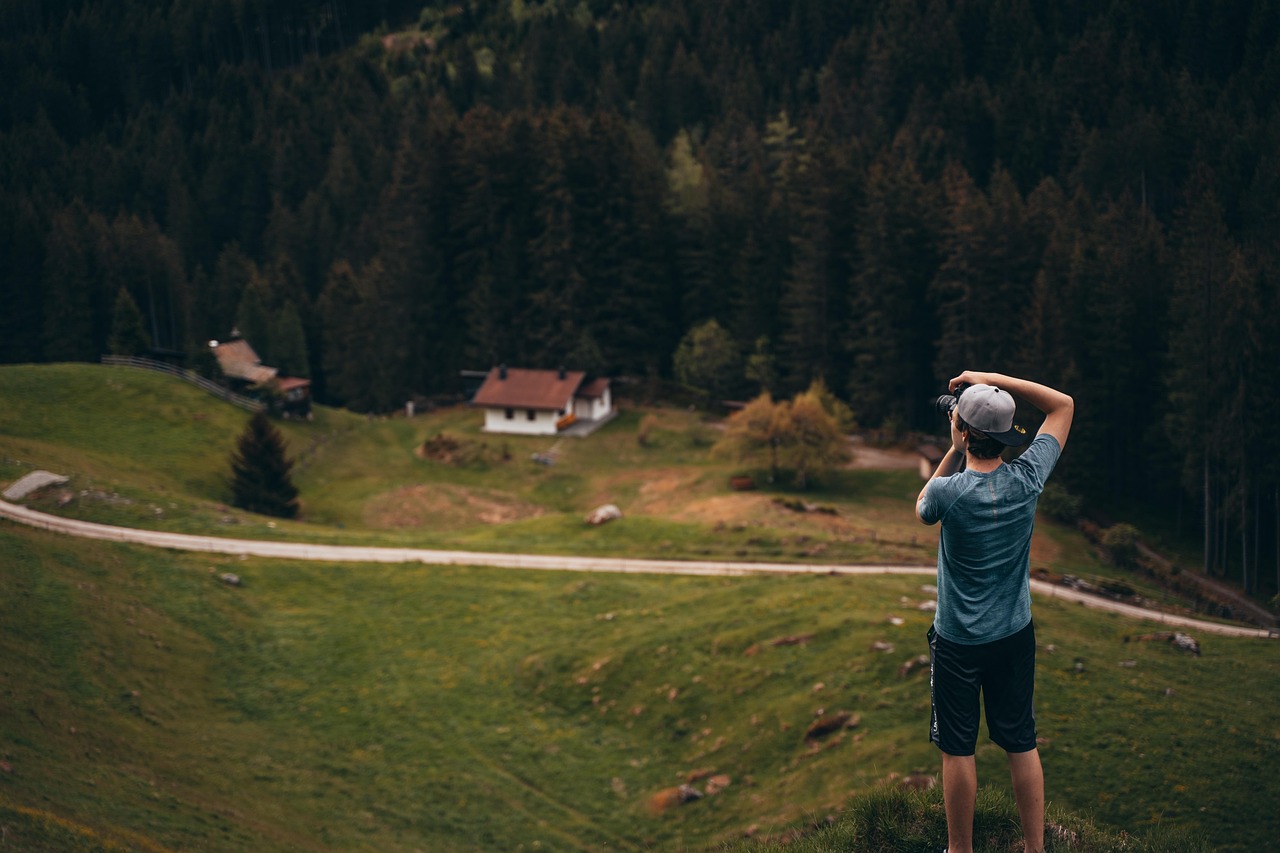
When I first started photographing wildlife, I treated every outing like a race. I'd walk fast, scan constantly, and chase anything that moved. The results were predictable: blurry shots of tails disappearing into undergrowth, and a growing frustration that the animals were somehow conspiring against me. It took years, and a few humbling mornings sitting motionless in a damp meadow, to understand that the opposite approach works far better. Wildlife comes to those who wait.
Patience is not passive. It is an active skill, and like any skill it improves with practice. The trick is to give animals a reason to relax around you. Most creatures are not afraid of humans per se; they are afraid of unpredictable movement and noise. If you settle into one spot, make yourself small, and stay quiet for long enough, the local wildlife will gradually resume its normal business. Sometimes this takes twenty minutes. Sometimes it takes two hours. Either way, the reward is worth it.
Choosing a Spot Worth Waiting In
Not every location deserves your patience. A random clearing in the woods might produce nothing all morning, while a well-chosen perch beside a hedgerow or a quiet corner of a pond can be a hub of activity. Look for signs: droppings, feathers, chewed vegetation, tracks in mud, or a regular flight path between a roost and a feeding area. These clues tell you where animals already spend time, which means you are not hoping for a chance encounter but positioning yourself in the middle of one.
Once you find such a spot, approach it the way you would approach a shy neighbour. Move slowly, keep low if the terrain allows, and avoid skylining yourself on ridges. Set up your gear before you settle in, and then resist the urge to fidget. A tripod helps enormously here, not just for stability but because it gives your hands something to do besides adjust things. I also bring a small cushion or foam pad, because comfort is quietly essential to patience. If your back aches after ten minutes, you will move, and movement is the enemy.
What Happens When You Stop Chasing
The first time a kingfisher landed on a branch barely three metres from where I sat, I nearly ruined the shot by gasping. I had been still for almost an hour, watching dragonflies and listening to reed warblers, and then suddenly there it was, utterly unconcerned by my presence. That encounter changed how I photograph. I stopped measuring a session by how many species I saw and started measuring it by how deeply I observed the ones that were already there.
Sitting still also teaches you about behaviour. You notice that a robin always approaches a feeder from the same angle, or that a heron tenses a second before it strikes. These small observations are gold for photography because they let you anticipate rather than react. You start to know when a bird will take off, when a mammal will pause to groom, when the light will fall just right on a particular perch. This is the quiet advantage of patience: it does not just get you closer to wildlife, it gets you closer to understanding it. And understanding, in the end, is what separates a lucky snapshot from a photograph that feels alive.